
Gold is the undisputed symbol of eternity, luxury, and fine craftsmanship. In this in-depth guide, Ledial answers the most frequently asked questions about the goldsmith’s art, debunking common myths and satisfying the most curious minds about this timeless, precious metal.
What is the natural color of gold?
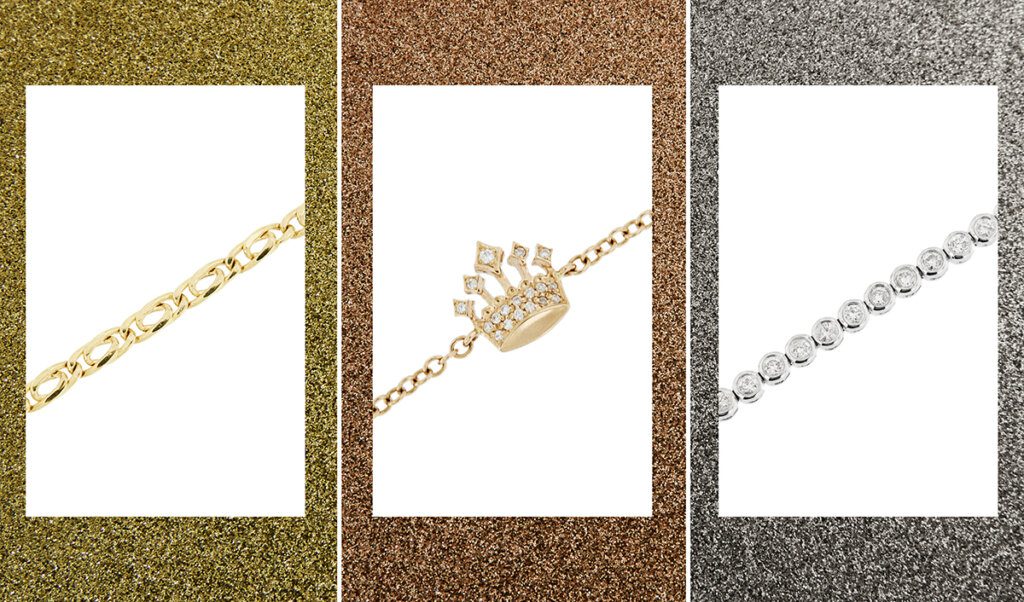
Our beloved precious metal has many faces. We can celebrate a union with classic yellow gold wedding bands, surprise a loved one with a refined white gold ring, or opt for a romantic, researched pink gold necklace.
While there are multiple stunning colors available on the jewelry market, only one is the “original” one: gold is naturally yellow. The nuggets and grains of this chemical element—Au, from the Latin aurum—are always and invariably a warm, bright, and radiant yellow.
Is white gold real gold?
If you are wondering whether your white gold bracelet is authentic, you can rest assured: white gold is 100% real gold. It is a precious alloy with a fascinating history.
When platinum was declared a strategic industrial metal during World War II, jewelers were forced to find a luxurious replacement—and that is how white gold was commercialized on a large scale. To achieve its sleek, icy hue, pure yellow gold is alloyed with premium white and gray metals, such as silver, palladium, and nickel. Finally, the piece is covered with a very thin layer of rhodium to give it its signature, elegant mirror glow.
How is rose gold created?
Just like white gold, the sophisticated color of rose gold (and pink gold) is created by blending pure yellow gold with specifically chosen partner metals.
By mixing pure gold with precise proportions of copper and a touch of silver, master goldsmiths can create a warm, coppery, and highly romantic hue. The more copper present in the alloy, the deeper and redder the pink shade will be.
How do carats mean in gold jewelry?
Because pure gold is naturally very soft and malleable, it must be mixed with other metals to give it the hardness and durability required for daily wear. This blend is called an alloy, and its purity is measured in carats (kt) or millesimal fineness.
The term “carat” historically refers to the seeds of the carob tree (carato in Italian). In ancient times, traders believed these Mediterranean seeds had a perfectly constant mass, making them the ideal counterweight for measuring tiny, highly valuable objects.
Today, luxury jewelry and investment assets are crafted in different carat weights across the globe:
-
24 carat (999.9/1000): pure gold used exclusively for investment ingots and bullion. It is characterized by an intense yellow color but is too soft for durable jewelry.
-
21 carat (900/1000): a luxurious, high-purity alloy used mostly in traditional jewelry across Arab and Asian countries.
-
18 carat (750/1000): the absolute standard for fine Italian jewelry. It is composed of 75% pure gold and 25% other precious metals, offering the perfect balance of prestige and resistance.
-
14 carat (583/1000) & 9 carat (375/1000): lower purity options that are highly popular in Northern Europe, Anglo-Saxon countries, and North America.
How do I know the real carat weight of my gold jewelry?
The easiest and most legally binding way to verify the real carat weight of a piece of jewelry is to look for its hallmark.
This is a tiny official mark stamped directly onto the surface of the precious metal to certify its purity and maker. For example, if you buy an authentic 18 kt Italian gold chain, you will find a tiny cartouche containing the number “750” stamped onto the clasp or the end link.
What is the difference between solid gold and gold-plated jewelry?
The term “plated” is quite common but can be highly misleading for consumers. A gold-plated piece of jewelry is not solid gold. Instead, it is an item made from a inexpensive base metal (like brass, copper, or steel) that has been covered with an incredibly thin, microscopic layer of gold through chemical electroplating.
While it may look shiny at first, gold plating wears off over time, and its intrinsic market value is drastically lower than that of solid gold.
Invest in authentic, solid gold luxury with Ledial
When purchasing jewelry, transparency and certification are paramount. At Ledial, we sell exclusively authentic, solid gold jewelry.
By exploring our curated pre-loved collection, you can access premium 18 kt Italian gold craftsmanship and iconic vintage designer pieces at a highly advantageous, smart price point. Every single item is meticulously tested, authenticated, and refurbished to a like-new state by our expert gemmologists and master goldsmiths.